
FEAR: THE INVISIBLE PRISON
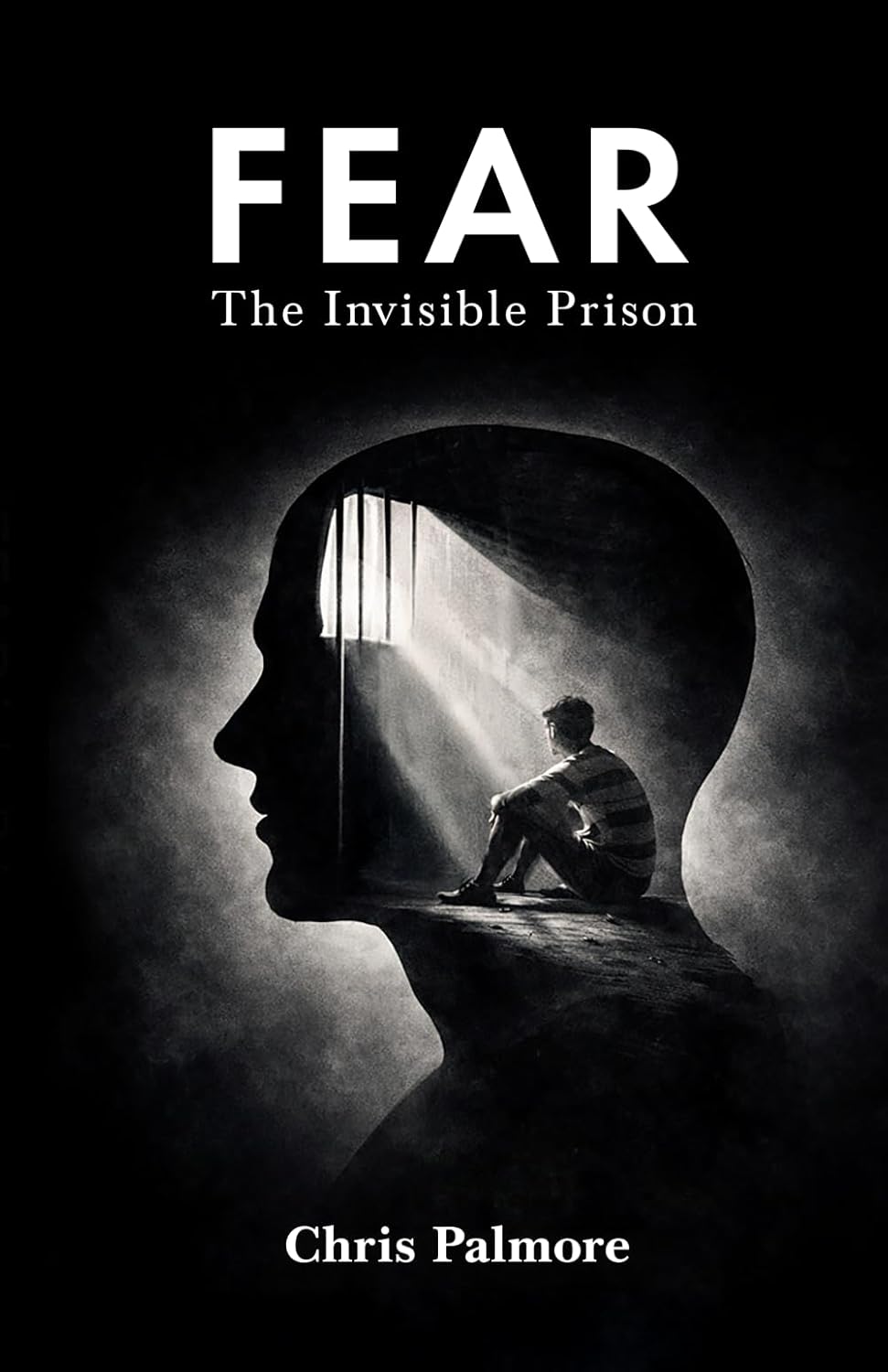
FEAR The Invisible Prison
Fear promises protection.
But what if the protection becomes the prison?
The moment fear walks in as protection, it starts stealing the very life we let it in to protect.
The life we fear to lose begins to disappear in that very moment, not later.
I call fear the invisible prison.
THE SHAPE OF FEAR
Fear doesn’t always look like fear.
Sometimes it looks like preparation.
Sometimes it sounds like what if?
Sometimes it calls itself caution.
Sometimes it calls itself control.
And sometimes you don’t realize you’re inside the prison until you’ve spent years helping build it.
Fear as Protection
Fear tells us that worrying, preparing, predicting, and rehearsing catastrophe will somehow protect us.
It starts small:
What if?
Two words. Soft. Harmless.
Until one thought becomes another, and preparation becomes rehearsal for a future that hasn’t happened.
Fear sold me the room.
It pitched it like safety.
It promised that if I worried enough, rehearsed enough, the bad thing wouldn’t happen.
What if the cage started the second I believed fear was a favor?
The Prison We Build
The bars aren’t always made of steel.
Sometimes they are the stories we repeat.
The labels we turn into identities.
The rituals we mistake for control.
The worst-case scenarios we run so many times they begin to feel like memories.
Fear doesn’t have to lock the door if we keep convincing ourselves the door cannot open.
The Cost of Later
We spend so much of life waiting for life to begin.
After the waiting.
After the fixing.
After the uncertainty.
After the storm.
But the life we’re trying to protect is already happening.
The tragedy isn’t simply that something might be lost someday.
It’s that fear can convince us to stop living it today.
What if I handed the keys to my own jailer the second I believed a sentence that began with what if?
— Chris Palmore
THIS ISN’T ABOUT ELIMINATING FEAR
The Door Doesn’t Have to Open
This isn’t a promise that fear disappears. It isn’t a story about controlling every outcome.
It is about recognizing what fear has been costing you.
Because freedom isn’t always a doorway.
Sometimes freedom is choosing the now.
Choosing the breath.
Choosing the life that is already here.
A SAMPLE FROM THE BOOK
Hear How It Begins
Brace yourself — this will feel like a confession.
Enter the cell.
Hear the counting.
See the bars.
And begin to understand why the prison was never only about the room.
Stop Saving Life for Later
Fear can promise safety.
It can promise preparation.
It can promise control.
But time keeps moving whether fear gives us permission to live or not.
The life you are trying so hard not to lose is already happening.
FEAR: The Invisible Prison is a journey through worry, control, identity, grief, gratitude, time, and the stories we tell ourselves in the name of protection.
It asks one uncomfortable question:
What if the thing trying to keep you safe is also keeping you from your life?
Stop Waiting.
The bars may not disappear.
The uncertainty may remain.
Fear may still have something to say.
But your life is happening now.
FEAR: The Invisible Prison
Enter the prison.
See the bars.
And decide what you want to do with the time that is still yours.
A TOKEN OF APPRECIATION
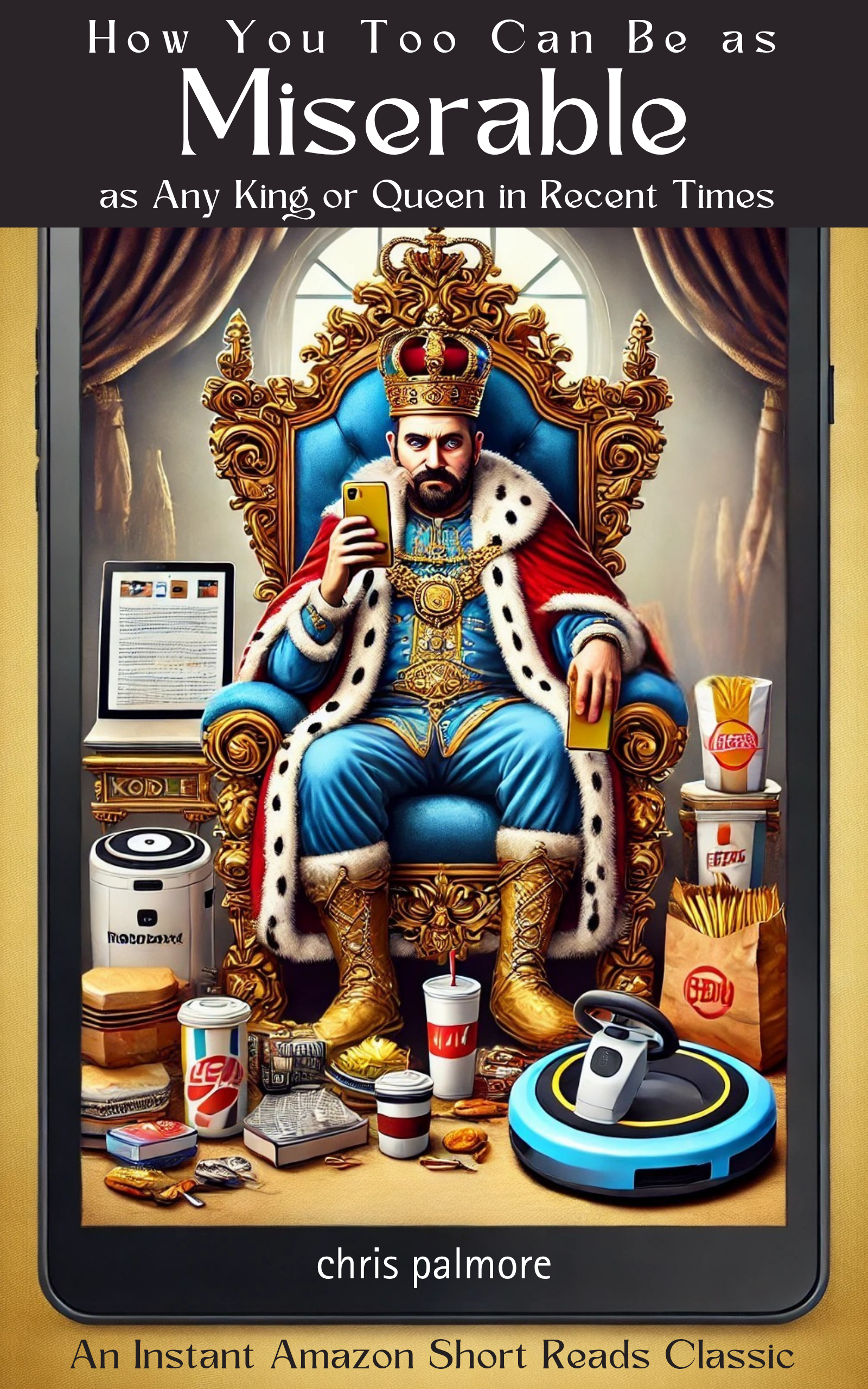
A book for you.
Thank you for spending some time in GratitudeSpace.
It’s short, playful, and explores the funny way we keep chasing more—even when more doesn’t necessarily make us happier.